If you have walked into an electric bike showroom in Pakistan recently, you have undoubtedly been faced with the biggest technical decision of your purchase: Should you buy an EV with a Graphene battery or pay extra for a Lithium-ion battery?
Salesmen often market “Graphene” as a miracle futuristic technology, while other dealers claim Lithium is the only option worth buying. The truth lies somewhere in between. Both chemistries have distinct advantages, specific lifespans, and significant differences in replacement costs in Pakistani Rupees.
In this guide, we cut through the marketing hype and give you the facts on Graphene vs. Lithium batteries for Pakistani roads and climate, comparing cycle life, weight, summer heat resistance, charging speeds, and replacement price tags.

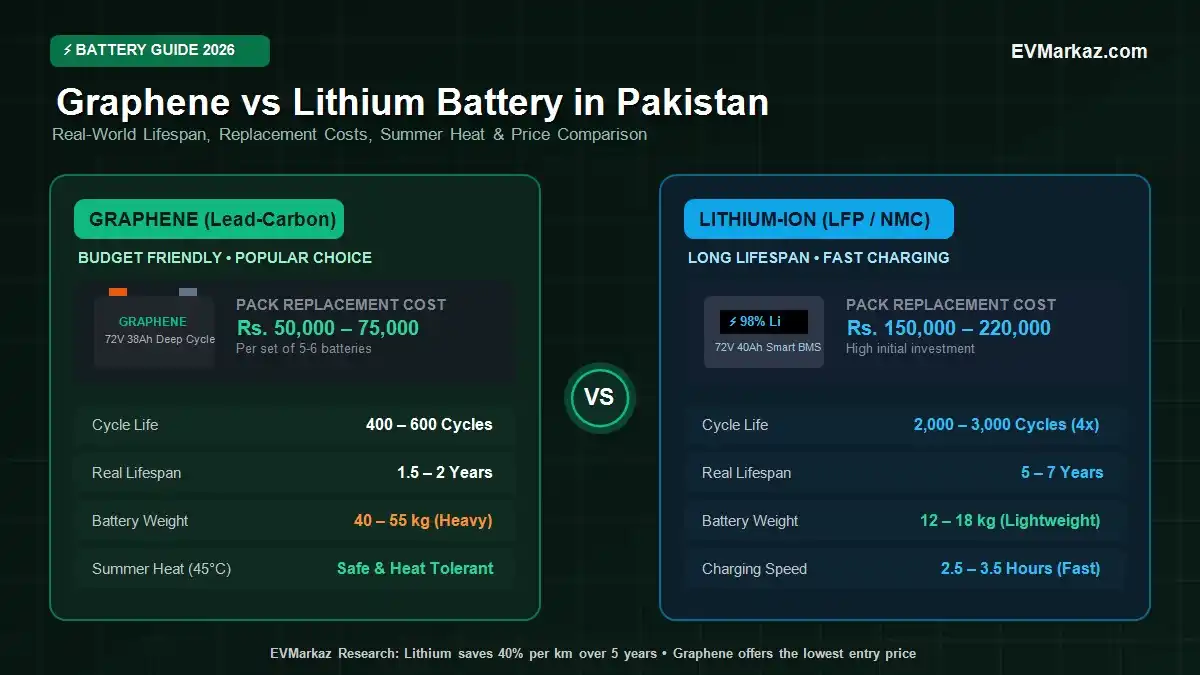
Figure 1: Architectural differences between Graphene (lead-carbon compound) and Lithium-Ion battery modules in Pakistani environmental conditions.
What is a “Graphene” Battery in Reality?
First, let’s clarify an important industry misconception: A “Graphene” battery in Pakistan is NOT an exotic solid-state space battery.
Technically, it is a high-grade, deep-cycle lead-acid battery whose lead plates have been infused with microscopic graphene nanomaterials. The addition of graphene offers three real benefits over traditional flooded acid batteries:
- It reduces internal electrical resistance, allowing faster discharge rates and smoother acceleration.
- It slows down lead plate sulfation, extending the battery’s charge cycles from 250–300 up to 450–600 cycles.
- It improves resistance to extreme heat, which is vital during severe Pakistani summers in Multan, Lahore, and Sukkur.
However, it remains chemically related to lead-acid, which means it is heavy (typically 35–45 kg for a 72V pack) and cannot be easily removed for apartment charging.
What is a Lithium Battery (LFP & NMC)?
Lithium-ion batteries used in electric two-wheelers come in two primary chemistries: Lithium Iron Phosphate (LiFePO4 or LFP) and Nickel Manganese Cobalt (NMC).
- LiFePO4 (LFP): Extremely safe, non-combustible, handles high thermal environments with ease, and lasts for 1,500 to 2,500+ full charge cycles (5 to 7+ years of daily riding).
- NMC: Exceptionally high energy density, ultra-lightweight (typically 10–12 kg for an entire 72V pack), and fast charging, but requires a smart Battery Management System (BMS) for thermal management.
Head-to-Head Comparison: Graphene vs Lithium
| Feature / Metric | Graphene Battery (TTFAR / Deep Cycle) | Lithium Battery (LiFePO4 / NMC) |
|---|---|---|
| Expected Lifespan | 1.5 to 2.5 Years (400–600 Charge Cycles) | 4 to 7 Years (1,200–2,500 Charge Cycles) |
| Weight (72V 20Ah / 30Ah Pack) | 38 kg – 48 kg (Heavy, non-portable) | 10 kg – 14 kg (Lightweight & Removable) |
| Full Charging Time | 6 to 8 Hours (Slow charging mandatory) | 2.5 to 4 Hours (Fast-charge supported) |
| Pakistani Summer Heat (45°C+) | Good tolerance; no thermal runaway danger | LFP is excellent; NMC requires certified smart BMS |
| Upfront Purchase Price | Lower (Bikes cost Rs. 160K – 240K) | Higher (Bikes cost Rs. 270K – 380K) |
| Full Pack Replacement Cost (PKR) | Rs. 45,000 – 65,000 PKR | Rs. 135,000 – 195,000 PKR |
| Scrap / Buyback Resale Value | High local scrap value (Rs. 10K–15K for old lead) | Low local scrap infrastructure in Pakistan currently |
Deep Dive: Pros & Cons in the Real Pakistani Context
Why Choose a Graphene Battery?
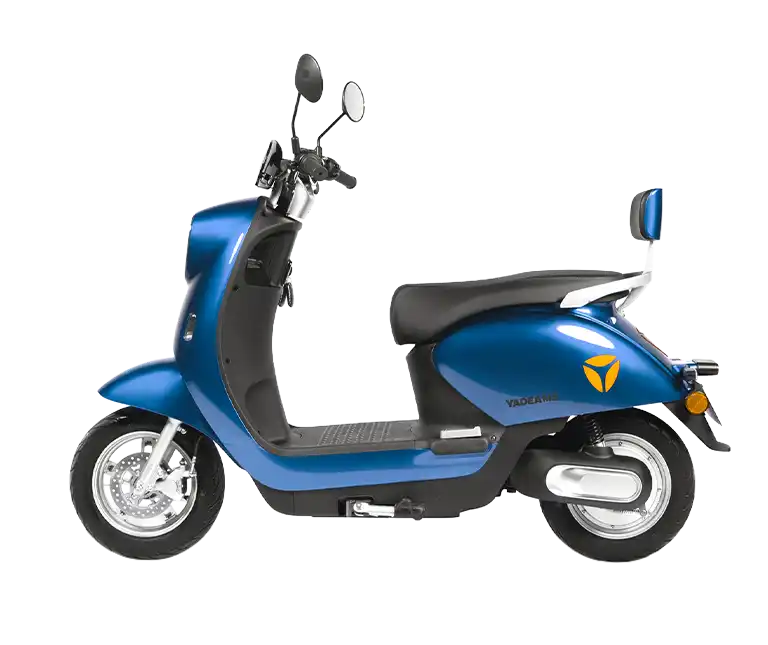
Yadea M3 (Graphene TTFAR Technology)
- Budget-Friendly Upfront Cost: You can purchase a brand new high-end electric scooty like the Metro T9 or Evee C1 Air for under Rs. 215,000.
- Affordable Future Replacement: When the battery degrades after 2 years, replacing all 6 battery modules costs around Rs. 50,000, which you can easily pay off from just 3 months of saved petrol money.
- High Old-Battery Trade-in Value: Battery shops across Pakistan readily purchase old lead batteries for cash or deduct Rs. 10,000–12,000 from the new pack invoice.
When is a Lithium Battery Worth the Extra Money?
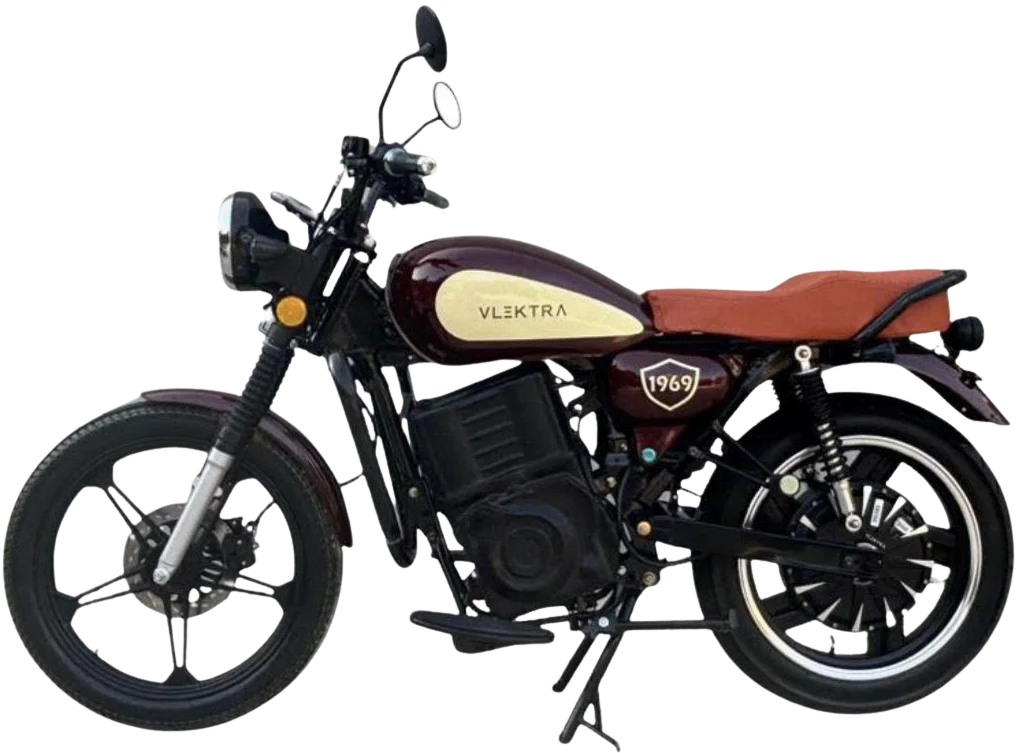
Vlektra Retro 1969 (High-Performance Lithium-Ion)
- Apartment or Flat Living: If you live on the 2nd, 3rd, or 4th floor of a building without ground-floor parking sockets, a 10 kg removable lithium battery can be carried upstairs just like a gym bag and charged in your living room.
- High-Mileage Commercial Riders: If you ride for Foodpanda or Bykea and cover 3,000 km every month, a graphene battery will exhaust its cycle life in under a year. A Lithium LFP pack will last you 4 to 5 full working years without fading.
- Sharper Handling & Better Pickup: Shaving 35 kg of weight off a scooter dramatically improves acceleration, braking distance, and hill-climbing power on elevated roads.
Calculate Your 3-Year Battery Replacement & Total Cost of Ownership
Wondering if the higher initial price of a Lithium-ion electric bike is worth it over a Graphene model? Our AI Running Cost calculator computes total battery degradation, replacement cost per kilometer, and electricity charges over 3 to 5 years.
Best Practices to Double Your EV Battery Life in Pakistan
- Never Charge Under Direct Scorching Sun: In June and July, ambient temperatures can exceed 45°C. Always charge your EV inside a shaded porch or covered garage to prevent cell overheating.
- Avoid 0% Deep Discharges: Do not run your battery completely flat until the motor cuts out. Plugging in when your meter displays 20–25% remaining significantly preserves internal chemistry.
- Let the Battery Cool After Riding: Never plug in the charger immediately after a long, high-speed ride. Allow 15–20 minutes for the battery cells to return to ambient temperature.
- Use Only the Manufacturer-Supplied Smart Charger: Generic third-party high-amp chargers that lack temperature cutoff sensors can damage your cells or void the warranty.
Frequently Asked Questions (FAQs)
Can I convert my Graphene electric bike to Lithium later?
Yes, absolutely. Most electric bikes and scooters in Pakistan can be upgraded to Lithium when your original graphene pack reaches end-of-life. You will simply need a compatible Lithium battery pack (matching your motor voltage: 60V or 72V) and a matching Lithium smart charger.
How long does a 72V 20Ah Graphene battery last in daily use?
Under normal daily commuting of 20 to 30 km with sensible throttle use, a quality graphene battery typically delivers reliable performance for 18 to 24 months before noticeable range reduction occurs.
Is a Lithium battery safe in extreme Pakistani summer heat?
Yes, provided it is equipped with a certified smart BMS (Battery Management System) that monitors individual cell temperatures and automatically cuts power if temperatures exceed safe limits. LiFePO4 (LFP) chemistry in particular is renowned for exceptional thermal stability up to 60°C.
Need help finding the right model for your budget? Compare all models on our Electric Bike Comparison Tool or calculate your monthly fuel savings on our Running Cost Calculator.